
Inflammatory Bowel Disease (IBD)
Addressing Inflammatory Bowel Disease (IBD)
Inflammatory Bowel Disease (IBD) is a complex, multifactorial gastrointestinal condition wherein you may experience chronic abdominal pain, bloating, diarrhea, constipation, fatigue, and even more severe issues such as bleeding, weight loss, fistula formation, and many other symptoms. These symptoms often arise from disrupted digestive and metabolic processes, compounded by triggers such as dysbiosis, food sensitivities, and environmental toxins, and they can significantly affect your quality of life.

IBD is often misunderstood and improperly treated because it results from an intricate web of root causes. These include impaired glycemic control, autonomic dysfunction, mold and biotoxin exposure, gut flora imbalances, and dietary toxins like high-fructose corn syrup, poisonous seed oils, and artificial additives. Underlying conditions like psychiatric illnesses and hormonal and metabolic imbalances can also compound your symptoms.
Diagnosing IBD can be frustrating due to its symptom overlap with other conditions. Conventional approaches frequently miss these metabolic and environmental factors, resulting in years of ineffective treatment. Patients often cycle through restrictive diets or pharmaceutical regimens with little long-term relief.
At Michael Rothman MD, we take a functional and metabolic medicine approach to IBD. By identifying the root causes—from environmental exposures to microbial imbalances—we craft personalized treatment plans that restore your digestive balance and support long-term health and resilience.
Ready to Take Control of Your Health?
If you are experiencing symptoms of Inflammatory Bowel Disease and are seeking effective, metabolically directed treatments, contact us online or call (732) 268-7663 for a consultation.

What are the Symptoms of IBD?
- Abdominal Pain: Cramping, aching, or sharp discomfort often linked to inflammation or bowel spasms.
- Gas and Excessive Flatulence: Increased gas production that leads to discomfort.
- Constipation: Difficulty in passing stools, with infrequent or hard bowel movements.
- Diarrhea: Frequent, urgent, loose, or watery stools.
- Alternating Constipation and Diarrhea: You may experience a mix of both constipation and diarrhea.
- Bloating: A sensation of fullness or swelling in your abdomen, often accompanied by visible distension.
- Blood in Stool: Blood in your stool that can show up as bright red, dark red, or even black.
- Fatigue: Persistent tiredness due to nutrient deficiencies, malabsorption, metabolic imbalances or systemic inflammation.
- Fistulas: Abnormal connections between your bowel loops or between the bowel and other organs, can include pain, swelling, and discharge at the fistula site.
- Mood Imbalances: Frequent changes in your mood, including depression and anxiety.
- Acid Reflux: Often misdiagnosed, a burning sensation in your chest that is often accompanied by regurgitation of the contents of your stomach.
- Unintended Weight Loss: Unexplained weight loss, even without major changes to your diet or exercise regimen.
- Skin Reactions: Irritated skin and/or inflammatory skin conditions, such as rashes or eczema.
If you are experiencing a multitude of seemingly unrelated symptoms, it is essential to seek a comprehensive diagnosis. A holistic, metabolically directed treatment approach can help you recover digestive function and improve your overall well-being.
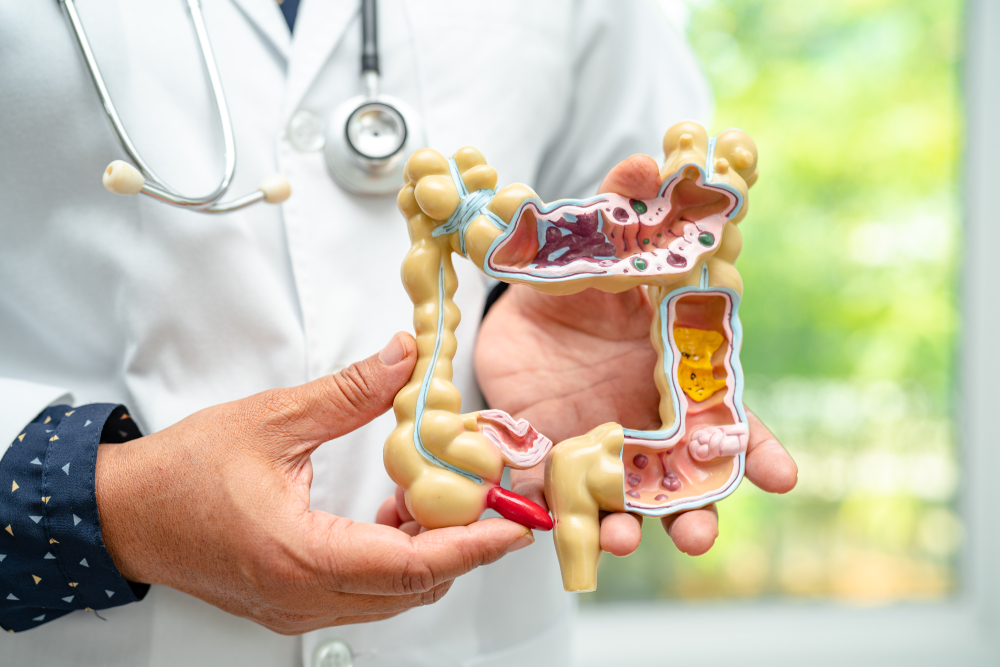
Our Functional and Metabolic Medicine Approach to IBD
At Michael Rothman MD, we understand the significant impact that metabolic imbalances have on your digestive health and overall well-being. Our approach to treating Inflammatory Bowel Disease involves a comprehensive, metabolically directed method to identify and address the root causes of your symptoms, such as gut dysbiosis, food intolerances, and autonomic dysfunction.
Diagnostic Methods Used:
- Comprehensive evaluation of your dietary habits, environmental exposures, and stress levels to identify aggravating factors.
- In-clinic metabolic testing to evaluate your acid-base balance, anabolic/catabolic state, and autonomic nervous system function.
- Comprehensive stool analysis to assess microbial imbalances, inflammation, stealth infections, and digestive function.
- Blood tests to identify nutritional deficiencies, hormone imbalances, thyroid dysfunction, and immune reactivity to biotoxins.
- Urine and saliva testing to evaluate metabolic pathways, detoxification function, and nutrient utilization.
- Mycotoxin testing and environmental exposure assessments to uncover mold toxicity.
Potential Treatment Options:
- Personalized dietary modifications to reduce inflammation, improve digestion, and balance your gut flora.
- Probiotics, prebiotics, postbiotics and nutritional supplementation to restore healthy bowel bacteria and support immune function.
- Metabolically directed therapies to rebalance your body’s internal chemistry and improve oxidation-reduction balance
- Hormonal therapies to address underlying imbalances that impact gut function.
- Antimicrobial or antifungal protocols to eliminate stealth infections or pathogenic overgrowth.
- Lifestyle modifications to reduce toxic exposure, manage stress, and improve sleep hygiene.
- Environmental detoxification by identifying and eliminating exposure to mold and other environmental toxins.
Why Choose Functional and Metabolic Medicine for IBD?
If you’re struggling with the debilitating effects of Inflammatory Bowel Disease (IBD), you’ve likely encountered the shortcomings of traditional medical care. Conventional treatments often focus narrowly on reducing symptoms with medications like corticosteroids and immunosuppressants, laxatives, stool softeners, and antidiarrheals. While these drugs may offer short-term relief, they rarely address the complex root causes behind your symptoms. Environmental exposures like mold, imbalanced gut flora, stealth organisms, food allergies, metabolic imbalances, and hormonal dysregulation are typically overlooked—leaving your health challenges unresolved.

Ready to Take Control of Your Health?
If you are experiencing symptoms of Inflammatory Bowel Disease and are seeking effective, metabolically directed treatments, contact us online or call (732) 268-7663 for a consultation.
Meet Dr. Michael Rothman:
Holistic Health and Metabolic
Medicine Expert

Frequently Asked Questions
Warning signs of Inflammatory Bowel Disease often include persistent digestive issues such as diarrhea, constipation, bloating, gas, and abdominal pain. More severe symptoms can include bleeding, the development of fistulas, and unexplained fatigue. Many individuals also experience related issues such as mood disturbances, skin problems, or nutrient deficiencies. Because IBD is often linked to chronic metabolic and environmental imbalances, symptoms may extend beyond your digestive tract and appear systemic in nature.
Yes. IBD can be present for years before receiving a proper diagnosis, particularly because its symptoms can mimic other conditions and vary in intensity. The presence of comorbidities such as psychiatric illnesses, chronic fatigue syndrome, or hormonal and metabolic imbalances can further complicate diagnosis. Without a metabolically directed evaluation, your condition may remain misidentified or overlooked entirely.
If left untreated, IBD can lead to progressive damage to many of your body’s systems. Ongoing inflammation may contribute to the breakdown of your gut lining, worsening dysbiosis, nutrient malabsorption, and systemic metabolic imbalances. Environmental triggers like mold exposure may compound the condition, leading to more complex inflammatory syndromes such as Chronic Inflammatory Response Syndrome (CIRS). Over time, untreated IBD can significantly impact your quality of life and overall health.
IBD involves chronic inflammation and structural changes in your bowel and may be associated with immune system dysfunction and environmental exposures like mold or dietary toxins. IBS (Irritable Bowel Syndrome) is a functional disorder that causes symptoms like bloating, constipation, and diarrhea but without visible inflammation or structural damage. Diagnostic testing—especially metabolically directed evaluations—can help distinguish between the two and identify deeper root causes.
Colonoscopy will be normal in IBS, but reveal inflammation in IBD.
IBD includes conditions like Crohn’s disease and ulcerative colitis, both characterized by chronic inflammation and damage in specific regions of your gastrointestinal tract. Indeterminate colitis refers to a diagnosis where features of both Crohn’s and ulcerative colitis are present but not clearly distinct. This category is often used when inflammation patterns do not fit classic diagnostic criteria. At Michael Rothman MD, we use advanced metabolic and functional testing to clarify such diagnoses and uncover hidden contributors like environmental toxins and autonomic dysfunction.